

NEWS
How Wet Granulation Equipment Enhances Product Quality
Mar 14,2026
How Wet Granulation Equipment Enhances Product Quality
Table of Contents
- 1. Introduction to Wet Granulation
- 2. The Importance of Product Quality in Manufacturing
- 3. Overview of Wet Granulation Equipment
- 4. Mechanism of Wet Granulation
- 5. Key Benefits of Using Wet Granulation Equipment
- 5.1 Consistency and Uniformity
- 5.2 Enhanced Bioavailability
- 5.3 Increased Production Efficiency
- 5.4 Cost-Effectiveness
- 6. Best Practices for Using Wet Granulation Equipment
- 7. Common Mistakes to Avoid
- 8. Frequently Asked Questions
- 9. Conclusion
1. Introduction to Wet Granulation
In the world of industrial manufacturing, product quality plays a crucial role in determining the success and reliability of goods. Among the various process technologies applied to enhance product quality, wet granulation has gained substantial attention. This process involves the aggregation of powder particles using a liquid binder, significantly impacting the final product's characteristics. The use of **wet granulation equipment** not only improves the granules' properties but also contributes to overall efficiency in production processes.
2. The Importance of Product Quality in Manufacturing
Product quality is paramount in driving customer satisfaction and competitive advantage. In industries like pharmaceuticals, 香蕉传媒, and chemicals, the consistency, bioavailability, and other quality attributes can determine market viability. High-quality products ensure compliance with regulatory standards, minimize returns, and enhance brand reputation. Therefore, utilizing effective technologies like **wet granulation equipment** to ensure optimal product quality is essential for businesses aiming to thrive in competitive markets.
3. Overview of Wet Granulation Equipment
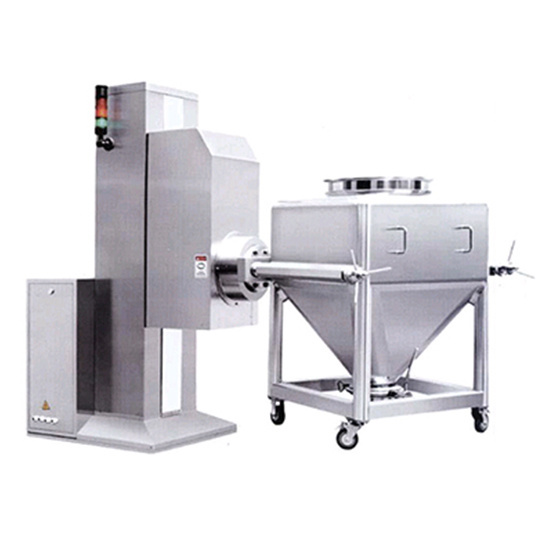
Wet granulation equipment comprises various machines designed to execute the granulation process effectively. The primary types of equipment include:
- **High-Shear Mixers**: These mixers provide rapid and thorough blending of powders and liquids, ensuring uniformity and proper granulation.
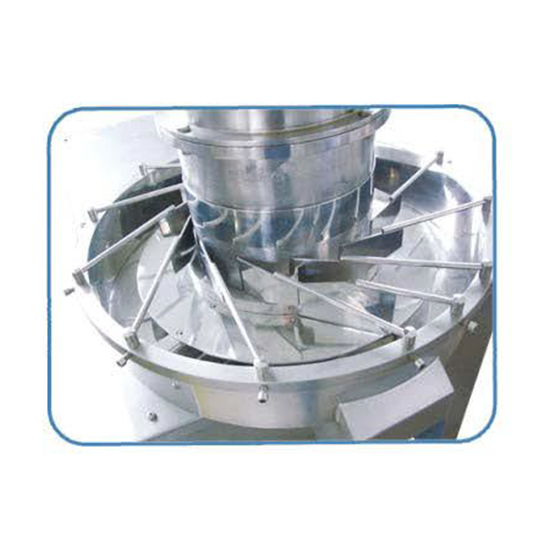
- **Fluid Bed Granulators**: These devices use a fluidized bed to enhance granulation, allowing for even moisture distribution and effective drying.
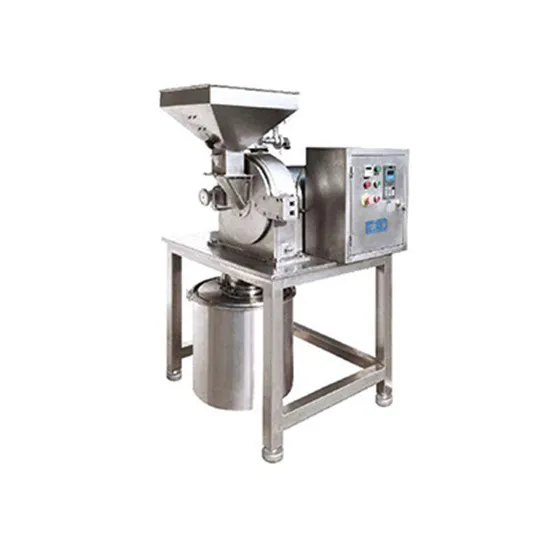
- **Granulation Machines**: Specialized machines that perform granulation through controlled liquid addition and mixing.
Understanding the different types of wet granulation equipment helps manufacturers select the best solutions tailored to their specific production needs.
4. Mechanism of Wet Granulation
The wet granulation process involves several steps:
1. **Blending**: The initial dry powders are blended to ensure even distribution of materials.
2. **Liquid Addition**: A liquid binder is added to the mixture, promoting particle adhesion.
3. **Granule Formation**: As the mixture is agitated, granules form. The size and density can be controlled by varying the binder's amount and the mixing speed.
4. **Wet Granule Drying**: After granulation, the wet granules are dried to achieve the desired moisture content, often utilizing **fluid bed dryers** or **tray dryers**.
Each step is critical, as it influences the final product's characteristics, including flowability, compressibility, and dissolution rate.
5. Key Benefits of Using Wet Granulation Equipment
Investing in wet granulation equipment yields several significant advantages that directly enhance product quality:
5.1 Consistency and Uniformity
Wet granulation promotes uniform particle size distribution, which is essential for consistent product quality. Uniform granules ensure consistent flow properties and compressibility, leading to reliable tablet formation in pharmaceutical applications.
5.2 Enhanced Bioavailability
In pharmaceutical formulations, wet granulation can improve the solubility and bioavailability of active ingredients. By producing granules with specific surface areas, the medication can dissolve more effectively, enhancing therapeutic efficacy.
5.3 Increased Production Efficiency
The automation and efficiency of modern wet granulation equipment minimize manual handling and reduce production time. This efficiency translates to higher output, allowing manufacturers to meet market demands promptly.
5.4 Cost-Effectiveness
Though the initial investment in wet granulation equipment can be significant, the long-term cost savings are notable. Reduced waste, improved yield, and shorter cycle times contribute to an overall increase in profitability.
6. Best Practices for Using Wet Granulation Equipment
To maximize the benefits of wet granulation equipment, manufacturers should adhere to best practices:
- **Material Selection**: Choose appropriate excipients and binders to achieve desired granulation properties.
- **Process Parameter Optimization**: Regularly assess critical process parameters such as mixing time, binder addition rate, and drying conditions.
- **Scale-Up Considerations**: When scaling production, carefully evaluate equipment performance to maintain quality consistency.
Implementing these practices will ensure optimal utilization of wet granulation equipment and enhance overall product quality.
7. Common Mistakes to Avoid
Certain pitfalls can hinder the wet granulation process:
- **Inconsistent Binder Addition**: Varying the binder amount can lead to inconsistent granule formation, affecting product uniformity.
- **Neglecting Process Monitoring**: Failing to monitor key parameters can result in suboptimal granulation and product quality.
- **Ignoring Equipment Maintenance**: Regular maintenance of granulation equipment is vital to ensure performance reliability and product safety.
By avoiding these common mistakes, manufacturers can enhance the effectiveness of their wet granulation processes.
8. Frequently Asked Questions
1. What is the primary advantage of wet granulation over dry granulation?
The primary advantage of wet granulation is its ability to enhance particle cohesion and uniformity, resulting in improved product consistency and bioavailability.
2. How does wet granulation improve the flowability of powders?
Wet granulation creates larger, more spherical granules that reduce inter-particle friction, promoting better flowability during processing.
3. What types of products benefit the most from wet granulation?
Pharmaceuticals, 香蕉传媒 products, and chemical fertilizers are among the sectors that see significant benefits from wet granulation due to improved dissolution rates and product stability.
4. Can wet granulation equipment be used for scale-up production?
Yes, wet granulation equipment is designed for scalability; however, careful consideration must be given to maintaining process parameters during the scale-up.
5. What maintenance practices are essential for wet granulation equipment?
Routine cleaning, inspection of moving parts, and calibration of equipment are essential maintenance practices to ensure optimal performance and product safety.
9. Conclusion
The role of wet granulation equipment in enhancing product quality cannot be overstated. By improving consistency, bioavailability, and production efficiency, wet granulation processes position manufacturers as leaders in their respective industries. Adopting best practices and avoiding common mistakes will optimize the benefits of this technology, ultimately leading to superior product offerings. As industries continue to seek innovative solutions for quality enhancement, wet granulation will remain a vital process in achieving these goals.
More News
Get a Quote

Add:
No. 9, Yungu Road, Zhutang Town, Jiangyin City, Jiangsu Province, China
E-mail: pxjx@jypxjx.com
Copyright ? 2022 香蕉传媒.
| SEO


