

NEWS
The Impact of Herb Pulverizer Machines on Flavor Quality
Nov 30,2025
The Impact of Herb Pulverizer Machines on Flavor Quality
Herbs play an essential role in culinary traditions worldwide. Their aromas and flavors can elevate any dish, turning the mundane into the extraordinary. However, the quality of these flavors is intricately tied to how herbs are processed. In this context, **herb pulverizer machines** have emerged as invaluable tools, significantly impacting flavor release and preservation. This article delves into how herb pulverizers work, their benefits, and best practices for using them to achieve optimal flavor quality.
Table of Contents
1. Understanding Herb Pulverizer Machines
2. The Science of Flavor Extraction
3. Benefits of Using Herb Pulverizers
4. Types of Herb Pulverizer Machines
5. How to Choose the Right Herb Pulverizer
6. Best Practices for Using Herb Pulverizers
7. Common Misconceptions About Herb Pulverizers
8. Frequently Asked Questions
9. Conclusion
Understanding Herb Pulverizer Machines
Herb pulverizer machines are specialized devices designed to crush, grind, and pulverize herbs and spices efficiently. These machines use various grinding mechanisms, including blades, burrs, and hammer mills, to reduce herbs to the desired particle size. The choice of grinding method can significantly influence flavor retention and extraction, making the understanding of these machines crucial for culinary enthusiasts.
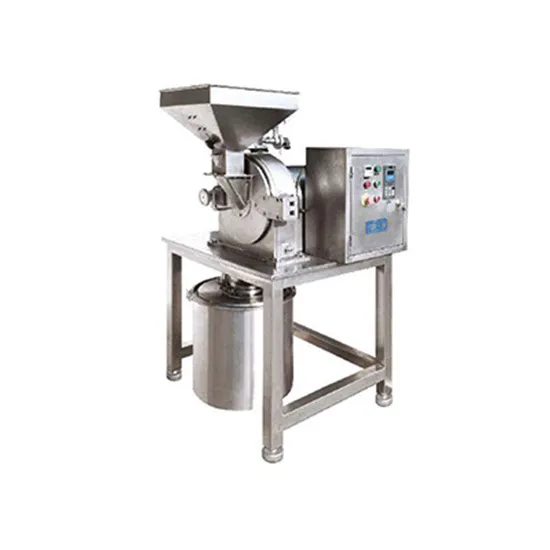
The key components of herb pulverizer machines include:
- **Grinding Chamber**: Where the herbs are processed.
- **Motor**: Powers the grinding mechanism.
- **Control Panel**: Allows users to adjust grinding settings based on the desired consistency.
- **Collection Bin**: Collects the pulverized herbs for easy use.
By understanding how these machines work, users can maximize their potential to enhance flavor quality.
The Science of Flavor Extraction
Flavor compounds in herbs are often volatile and sensitive to heat, light, and oxygen. When herbs are ground, a series of chemical reactions occur, affecting their flavor profile. The grinding process increases the surface area of the herb, allowing for greater extraction of essential oils and flavor compounds.
The main aspects of flavor extraction include:
- **Surface Area Increase**: Grinding herbs breaks down their cellular structure, releasing flavor compounds.
- **Essential Oils**: Many herbs contain essential oils that contribute to their unique flavors. Proper grinding methods will help preserve these oils.
- **Particle Size**: The size of the ground herb can impact flavor intensity, with finer particles often releasing flavors more quickly and evenly.
Understanding these factors can help chefs and home cooks optimize their use of herb pulverizers.
Benefits of Using Herb Pulverizers
Utilizing herb pulverizer machines offers numerous benefits that enhance flavor quality and overall cooking experience:
1. **Enhanced Flavor Release**: Pulverizers improve the release of essential oils, maximizing the flavor impact in dishes.
2. **Consistent Texture**: Achieving a uniform grind leads to consistent flavor profiles, essential for professional cooking.
3. **Time Efficiency**: Pulverizers significantly reduce the time needed to prepare herbs compared to manual grinding methods.
4. **Versatility**: Many herb pulverizers can handle a variety of spices and herbs, making them multifunctional kitchen tools.
5. **Freshness Retention**: Grinding herbs just before use helps retain their freshness and potency, leading to more flavorful dishes.
These advantages make herb pulverizers a worthy investment for both professional chefs and home cooks alike.
Types of Herb Pulverizer Machines
When selecting an herb pulverizer, it’s essential to understand the various types available. Each type caters to different grinding needs:
1. Blade Grinders
Blade grinders use sharp blades to chop and pulverize herbs. They are generally more affordable and versatile but may produce inconsistent particle sizes.
2. Burr Grinders
Burr grinders utilize two revolving abrasive surfaces to grind herbs. This method provides a more uniform particle size and is preferred for high-quality flavor extraction.
3. Hammer Mills
Hammer mills are powerful machines that use rotating hammers to pulverize herbs. They are suitable for large-scale operations but may not be ideal for delicate herbs.
4. Mortar and Pestle
While not a machine per se, mortar and pestle can be considered traditional tools for crushing herbs. They provide precise control over texture but require significant manual effort.
Choosing the right type depends on specific needs, such as budget, frequency of use, and desired grind consistency.
How to Choose the Right Herb Pulverizer
Selecting the right herb pulverizer machine requires careful consideration of several factors:
1. Purpose and Usage
Consider what herbs and spices you will be grinding. If you plan to use a wide variety, a versatile machine is essential.
2. Capacity
Evaluate the amount of herbs you typically process. For home use, smaller models suffice, while commercial kitchens may require larger capacities.
3. Grinding Settings
Look for machines with adjustable settings for grind size to accommodate different culinary applications.
4. Material Quality
Choose a robust machine made from high-quality materials to ensure durability and consistent performance over time.
5. Ease of Cleaning
Select a grinder that is easy to disassemble and clean, as this will impact your overall experience with the machine.
By considering these factors, you can find the perfect herb pulverizer tailored to your culinary needs.
Best Practices for Using Herb Pulverizers
To maximize the effectiveness of herb pulverizers and ensure high flavor quality, adhere to the following best practices:
1. Use Fresh Herbs
Always use fresh herbs for the best flavor extraction. Dried herbs can lose potency and flavor over time.
2. Avoid Overloading
Do not overload the grinding chamber. This ensures even grinding and prevents the machine from overheating.
3. Monitor Grinding Time
Keep an eye on the grinding time to avoid overheating, which can lead to flavor loss. Pulsing the grinder can help achieve the desired consistency without over-grinding.
4. Store Properly
Store ground herbs in airtight containers in a cool, dark place to preserve their freshness and flavor.
5. Experiment with Grind Sizes
Experiment with different grind sizes to find what works best for specific dishes. Finer grinds are suitable for quick flavor release, while coarser grinds can add texture.
Implementing these practices will enhance your culinary experience and optimize the use of herb pulverizers.
Common Misconceptions About Herb Pulverizers
There are several misconceptions regarding herb pulverizers that can lead to misunderstandings about their use and benefits:
1. They Only Work for Herbs
While designed primarily for herbs, many pulverizers can efficiently grind spices and grains, making them versatile kitchen tools.
2. All Grinders Are the Same
Not all herb pulverizers are created equal. The grinding mechanism plays a significant role in flavor retention and consistency.
3. Ground Herbs Lose Flavor Immediately
While ground herbs can lose potency over time, proper storage can help retain their flavors for an extended period.
4. Pulverizers Are Difficult to Clean
Most modern herb pulverizers are designed for easy cleaning, with features that allow for quick disassembly and maintenance.
By dispelling these myths, users can better appreciate the value of herb pulverizers in enhancing flavor quality.
Frequently Asked Questions
1. What herbs are best for pulverizing?
Most fresh herbs, such as basil, cilantro, and parsley, are ideal for pulverizing. Dried herbs can also be ground, but they may have diminished flavor compared to fresh ones.
2. Can I use my herb pulverizer for spices?
Yes, herb pulverizers can grind a variety of spices, including peppercorns, cumin seeds, and coriander.
3. How do I clean my herb pulverizer?
Most machines come with cleaning instructions. Generally, disassembling the components and washing them with warm, soapy water is recommended. Ensure to dry them thoroughly before reassembling.
4. How can I tell if my herbs are fresh?
Fresh herbs should have a vibrant color and a strong aroma. If they appear wilted or lack scent, they may not be suitable for grinding.
5. Is it better to grind herbs in small batches?
Grinding herbs in small batches often results in better flavor retention and consistency. It allows for careful monitoring of the grinding process.
Conclusion
In the culinary world, flavors are paramount. The introduction of herb pulverizer machines has transformed how we process herbs, significantly impacting flavor quality. By understanding the science of flavor extraction, the benefits of using these machines, and adhering to best practices, cooks can enhance their dishes with vibrant, fresh flavors. As we embrace technology in our kitchens, herb pulverizers stand out as essential tools that bridge the gap between fresh ingredients and impeccable culinary creations. Investing in the right herb pulverizer can elevate your cooking and make every meal a true delight.
More News


Get a Quote

Add:
No. 9, Yungu Road, Zhutang Town, Jiangyin City, Jiangsu Province, China
E-mail: pxjx@jypxjx.com
Copyright ? 2022 香蕉传媒.
| SEO


