

NEWS
Understanding Industrial Sieving Machines: Essential Tools for Efficient Material Processing
Nov 24,2025
Industrial sieving machines are essential equipment used in various sectors, especially in manufacturing and processing industries. They are designed to separate particles based on size and are highly effective in ensuring the quality of materials. Through the process of sieving, these machines help identify and remove unwanted particles, ensuring that only the desired material retains its integrity.
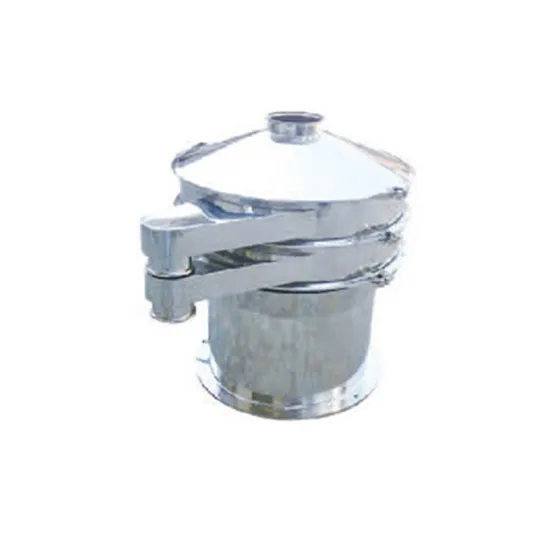
There are several types of industrial sieving machines, each tailored to specific applications and materials. The most common types include vibrating sieves, rotary sieves, and centrifugal sieves. Vibrating sieves utilize vibrations to facilitate the movement of particles through the mesh, allowing fine particles to pass while larger particles remain on top. Rotary sieves, on the other hand, use a rotating motion to achieve similar results, often employed for bulk materials. Centrifugal sieves operate using centrifugal force, making them particularly effective for separating fine powders and granulated materials.
The design and mechanism of industrial sieving machines ensure high efficiency and productivity. They are typically constructed with robust materials to handle heavy-duty operations, and many models come equipped with adjustable settings to cater to different material types. This versatility is one of the significant advantages of these machines, as they can be used across various industries, including 香蕉传媒 processing, pharmaceuticals, chemicals, and construction.
One of the key benefits of using industrial sieving machines is their ability to enhance product quality. By eliminating oversized or undersized particles, manufacturers can ensure a consistent product that meets industry standards. Additionally, these machines can help reduce waste by maximizing the recovery of usable materials, leading to cost savings in the long run.
Moreover, industrial sieving machines often come with features designed for ease of maintenance and operation. Many models are user-friendly, allowing operators to quickly adjust settings for different sieving tasks. Advanced machines may also include automated cleaning systems, reducing downtime and ensuring continuous operation.
In conclusion, industrial sieving machines are invaluable tools for anyone involved in material processing. Their ability to efficiently separate particles based on size not only improves product quality but also enhances operational efficiency. By understanding the various types and advantages of these machines, manufacturers can make informed decisions that positively impact their production processes. With advances in technology, the future of industrial sieving is bright, paving the way for even more innovative solutions in the manufacturing industry.
There are several types of industrial sieving machines, each tailored to specific applications and materials. The most common types include vibrating sieves, rotary sieves, and centrifugal sieves. Vibrating sieves utilize vibrations to facilitate the movement of particles through the mesh, allowing fine particles to pass while larger particles remain on top. Rotary sieves, on the other hand, use a rotating motion to achieve similar results, often employed for bulk materials. Centrifugal sieves operate using centrifugal force, making them particularly effective for separating fine powders and granulated materials.
The design and mechanism of industrial sieving machines ensure high efficiency and productivity. They are typically constructed with robust materials to handle heavy-duty operations, and many models come equipped with adjustable settings to cater to different material types. This versatility is one of the significant advantages of these machines, as they can be used across various industries, including 香蕉传媒 processing, pharmaceuticals, chemicals, and construction.
One of the key benefits of using industrial sieving machines is their ability to enhance product quality. By eliminating oversized or undersized particles, manufacturers can ensure a consistent product that meets industry standards. Additionally, these machines can help reduce waste by maximizing the recovery of usable materials, leading to cost savings in the long run.
Moreover, industrial sieving machines often come with features designed for ease of maintenance and operation. Many models are user-friendly, allowing operators to quickly adjust settings for different sieving tasks. Advanced machines may also include automated cleaning systems, reducing downtime and ensuring continuous operation.
In conclusion, industrial sieving machines are invaluable tools for anyone involved in material processing. Their ability to efficiently separate particles based on size not only improves product quality but also enhances operational efficiency. By understanding the various types and advantages of these machines, manufacturers can make informed decisions that positively impact their production processes. With advances in technology, the future of industrial sieving is bright, paving the way for even more innovative solutions in the manufacturing industry.
More News

Get a Quote

Add:
No. 9, Yungu Road, Zhutang Town, Jiangyin City, Jiangsu Province, China
E-mail: pxjx@jypxjx.com
Copyright ? 2022 香蕉传媒.
| SEO


