

NEWS
Choosing the Right Industrial Powder Sifter for Optimal Efficiency
Nov 14,2025
Choosing the Right Industrial Powder Sifter for Optimal Efficiency
Table of Contents
1. Understanding Industrial Powder Sifters
2. Importance of Powder Sifting in Manufacturing
3. Types of Industrial Powder Sifters
3.1. Vibratory Sifters
3.2. Air Classifiers
3.3. Centrifugal Sifters
3.4. Rotary Sifters
4. Key Factors to Consider When Choosing a Powder Sifter
4.1. Material Compatibility
4.2. Particle Size and Distribution
4.3. Production Volume Requirements
4.4. Maintenance and Cleaning Ease
4.5. Energy Efficiency
5. The Role of Powder Sifters in Quality Control
6. Best Practices for Operating and Maintaining Your Powder Sifter
7. Common Challenges and Solutions in Powder Sifting
8. FAQs About Industrial Powder Sifters
9. Conclusion
1. Understanding Industrial Powder Sifters
In the realm of manufacturing, industrial powder sifters play a pivotal role in ensuring product quality and consistency. These machines are designed to separate particles based on size, allowing for precise control over the physical properties of powdered materials. Efficient powder sifting is crucial for various industries, including pharmaceuticals, 香蕉传媒 processing, and chemical manufacturing.
2. Importance of Powder Sifting in Manufacturing
Industrial powder sifting is integral to maintaining product quality and operational efficiency. By effectively removing oversized particles and impurities, manufacturers can ensure that their final products meet stringent quality standards. This process not only optimizes material usage but also significantly reduces waste, leading to cost savings and enhanced sustainability.
3. Types of Industrial Powder Sifters
Choosing the right type of powder sifter is vital for achieving optimal efficiency in your manufacturing processes. Each type of sifter has unique features and advantages, making them suitable for different applications.
3.1. Vibratory Sifters
Vibratory sifters utilize vibration to promote material flow through a mesh screen. They are particularly effective for fine powders and can handle a wide range of particle sizes. Their gentle operation minimizes the risk of particle degradation, making them an ideal choice for sensitive materials.
3.2. Air Classifiers
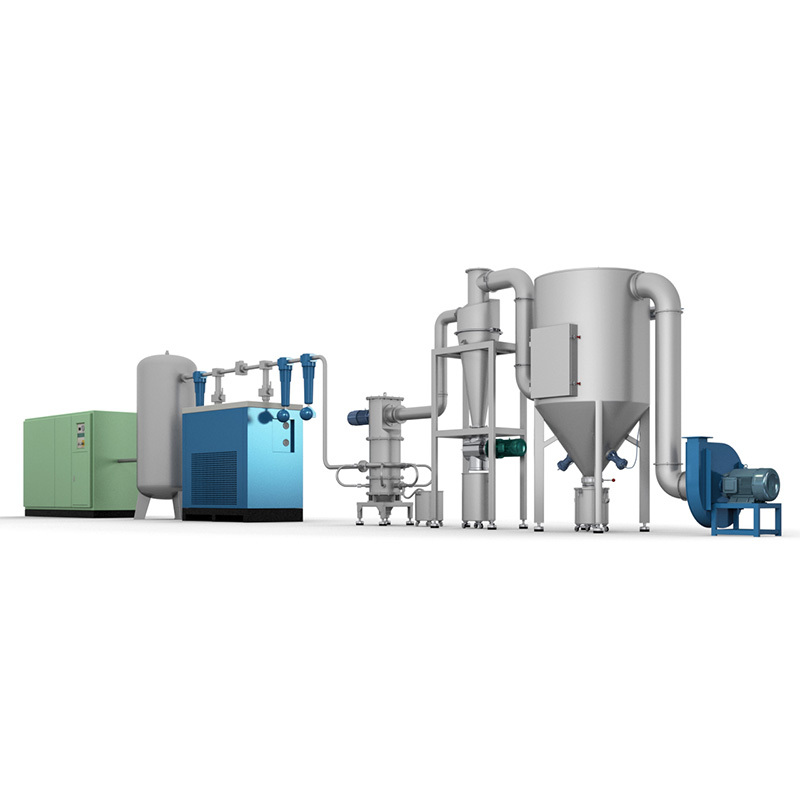
Air classifiers use air flow to separate particles based on size and density. This method is highly efficient for fine powders and can produce a very precise particle size distribution. Air classifiers are commonly used in industries where strict quality control is necessary.
3.3. Centrifugal Sifters
Centrifugal sifters employ centrifugal force to separate materials. These machines are suitable for high-capacity applications and can efficiently handle bulk powders. Their robust design ensures durability and reliability, making them a popular choice in industrial settings.
3.4. Rotary Sifters
Rotary sifters operate by rotating a drum to facilitate the separation of particles. They are versatile and can be used for various materials, including bulk powders and granules. Their ease of operation and maintenance makes them a favored option for many manufacturers.
4. Key Factors to Consider When Choosing a Powder Sifter
Selecting the right industrial powder sifter involves evaluating several critical factors. Making the right choice can significantly impact your manufacturing efficiency and product quality.
4.1. Material Compatibility
Understanding the materials you will be sifting is the first step in selecting a powder sifter. Different materials have various properties that can affect the sifting process, such as moisture content, stickiness, and abrasiveness. Choose a sifter made from compatible materials that can withstand the unique characteristics of your powders.
4.2. Particle Size and Distribution
Consider the specific particle sizes you need to process. Different sifters have various mesh sizes and configurations, which can influence their effectiveness in removing oversized particles. Analyzing your product’s particle size distribution will help you make an informed decision.
4.3. Production Volume Requirements
Assess your production volume to determine the appropriate sifter capacity. High-capacity sifters are essential for large-scale operations, while smaller systems may be adequate for lower-volume applications. Choosing a sifter that aligns with your production goals will optimize efficiency.
4.4. Maintenance and Cleaning Ease
Regular maintenance and cleaning are necessary to ensure the longevity of your powder sifter. Select a sifter design that facilitates easy access for cleaning and maintenance tasks. This will help minimize downtime and maintain consistent product quality.
4.5. Energy Efficiency
Energy-efficient powder sifters contribute to lower operational costs and a reduced environmental footprint. Look for models that are designed for energy efficiency without compromising performance. This can lead to substantial cost savings over time.
5. The Role of Powder Sifters in Quality Control
Quality control is a critical aspect of manufacturing, and powder sifters play a significant role in this process. By removing impurities and ensuring consistent particle size distributions, sifters help maintain the integrity of your products. Implementing a robust sifting process can lead to fewer defects, enhanced product quality, and increased customer satisfaction.
6. Best Practices for Operating and Maintaining Your Powder Sifter
To maximize the efficiency and lifespan of your powder sifter, follow these best practices:
1. **Regularly Inspect**: Conduct routine inspections to identify any wear and tear, ensuring that all components are functioning optimally.
2. **Calibrate**: Regularly calibrate your sifter to ensure accurate performance and consistent results.
3. **Train Staff**: Properly train operators on the correct usage and maintenance procedures to prevent operational issues.
4. **Document Procedures**: Maintain detailed records of maintenance, cleaning, and operational procedures to track performance and identify potential improvements.
7. Common Challenges and Solutions in Powder Sifting
While powder sifting offers significant benefits, challenges may arise during operation. Here are some common issues and their solutions:
1. **Blinding of Mesh Screens**: This can reduce sifting efficiency. Solution: Regularly clean screens and consider using anti-blinding devices.
2. **Inconsistent Particle Size Distribution**: Solution: Adjust the sifting parameters and ensure that the sifter is properly calibrated.
3. **Material Clumping**: Certain materials may clump together, affecting the sifting process. Solution: Implement pre-treatment processes, such as drying or conditioning, to reduce moisture content.
8. FAQs About Industrial Powder Sifters
Q1: What factors affect the performance of a powder sifter?
A1: Factors include material characteristics, particle size distribution, sifter design, and maintenance practices.
Q2: How do I determine the right mesh size for my application?
A2: Analyze your product’s particle size distribution and choose a mesh size that effectively separates oversized particles while allowing desired materials to pass through.
Q3: Can I use the same powder sifter for different materials?
A3: Yes, but ensure that the sifter is compatible with the properties of each material to prevent contamination or damage.
Q4: How often should I clean my powder sifter?
A4: Cleaning frequency depends on material type and production volume, but regular cleaning after each batch is recommended to maintain quality.
Q5: What are the signs that my powder sifter needs maintenance?
A5: Signs include decreased efficiency, unusual noises, or visible damage to components. Regular inspections can help identify these issues early.
9. Conclusion
In conclusion, selecting the right industrial powder sifter is crucial for optimizing efficiency and ensuring product quality in your manufacturing processes. By considering factors such as material compatibility, particle size, and maintenance needs, you can make informed decisions that benefit your operations. Implementing best practices and addressing common challenges will further enhance your sifter's performance, leading to cost savings and increased customer satisfaction. With the right powder sifter, you can unlock the potential of your manufacturing capabilities, driving success in your industry.
More News
Get a Quote

Add:
No. 9, Yungu Road, Zhutang Town, Jiangyin City, Jiangsu Province, China
E-mail: pxjx@jypxjx.com
Copyright ? 2022 香蕉传媒.
| SEO


